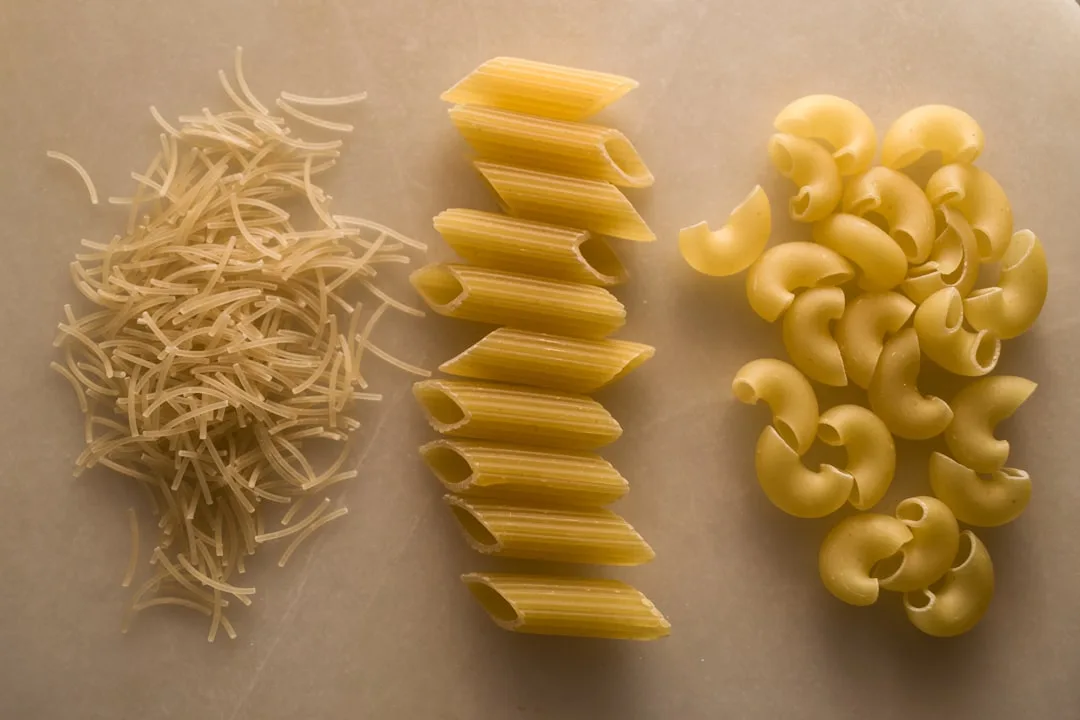
Pasta, a global comfort food, often seems deceptively simple to cook. Yet, perfecting its flavor and texture is an art. Who better to guide us than culinary icon Gail Simmons, a judge on popular cooking shows like ‘Top Chef’? Simmons reveals that a crucial, yet often overlooked, element in exquisite pasta preparation lies in how we handle the cooking water.
Mastering Pasta Beyond the Basics
While boiling water, salting, and cooking pasta seems straightforward, common errors often prevent a perfect dish. Simmons emphasizes that precision, particularly with salting the water, is key to truly flavorful pasta.
Common Pasta Pitfalls (Beyond Salt)
Beyond salt, remember other pitfalls: an undersized pot leads to sticky pasta, and incorrect cooking times yield either hard or mushy strands. Our primary focus, however, is mastering the crucial act of salting.
Gail Simmons’ Rules for Perfect Pasta Water
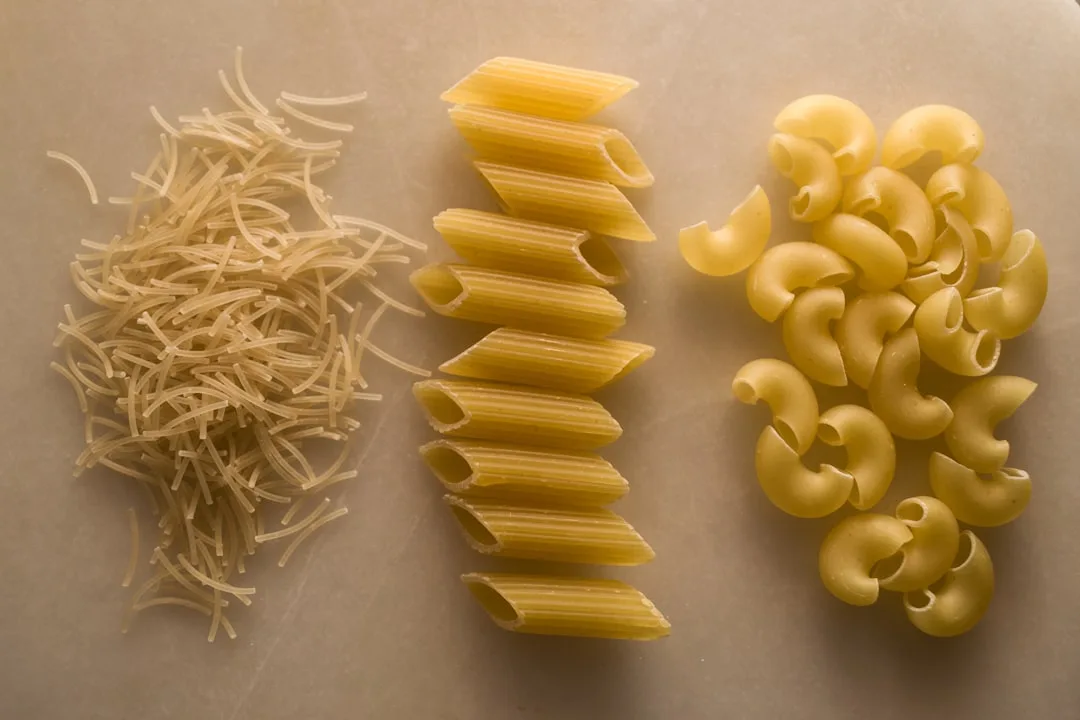
Gail Simmons offers clear, actionable advice to elevate your pasta game, demystifying the process of seasoning pasta water for superior results.
The Right Time to Salt
Many home cooks add salt to cold water, a practice Simmons advises against. She explains that premature salting can contribute to pot erosion. The optimal moment, she insists, is precisely as the water begins its vigorous, rolling boil. This ensures effective dissolution and proper seasoning without damaging your cookware.
The Perfect Salt Ratio
Simmons recommends two tablespoons of salt per pound of pasta. Too little results in blandness; too much overpowers. This ‘golden ratio’ is vital for infusing flavor directly into the pasta. She also stresses continuous tasting during cooking to achieve your ideal al dente texture.
The Power of Reserved Pasta Water
A professional secret Simmons advocates is saving some starchy, salted pasta water. This ‘liquid gold’ is incredibly versatile. A small ladleful added to your sauce emulsifies it beautifully, helping it cling and enriching its flavor. Leftover pasta water can also be stored to rehydrate and revive flavor when reheating pasta.
Conclusion
Embracing Gail Simmons’ expert techniques can transform your pasta dishes. By understanding the timing and quantity of salt, and utilizing reserved pasta water, you’ll consistently create authentic, perfectly textured, and flavorful pasta. Elevate your kitchen skills and savor the difference!