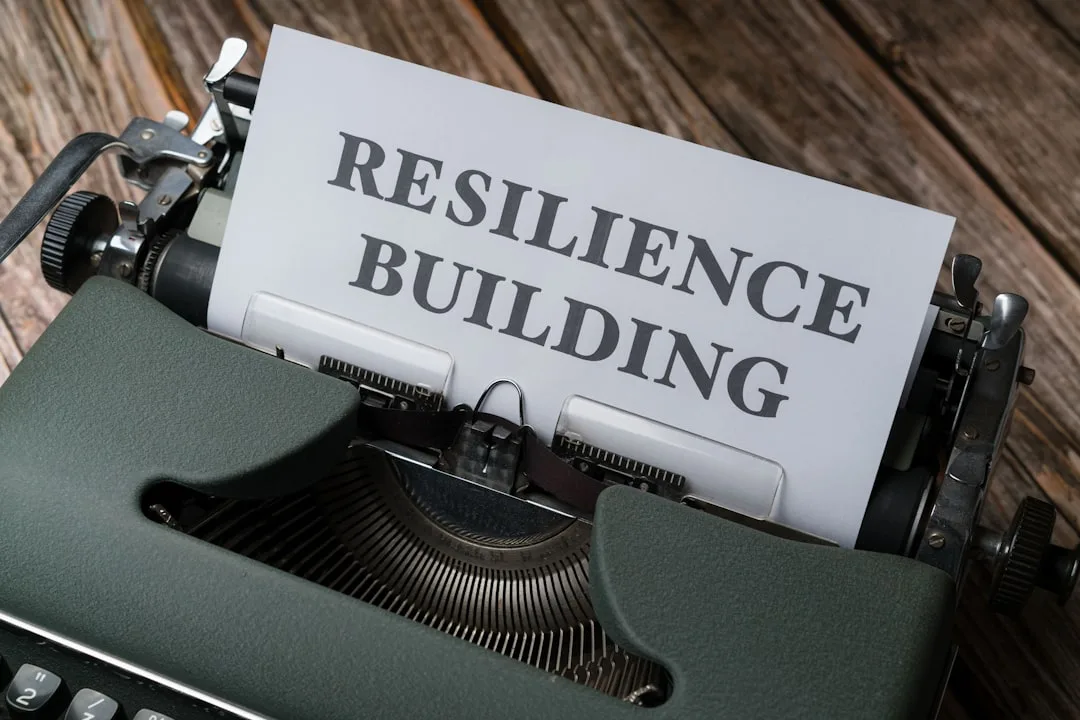
Understanding the Foundation of Self-Belief
Before we dive into boosting it, let’s clarify what self-confidence truly means. Self-confidence isn’t just about feeling good; it’s a deep-seated trust in your own judgment, capabilities, and your capacity to navigate life’s challenges. It can manifest as a general sense of assurance or be specific to certain situations. While often used interchangeably, self-esteem, which refers to your overall sense of self-worth and value, is closely intertwined with confidence. Developing one often positively impacts the other.
Our natural temperament can play a role in our baseline outlook, but external factors significantly shape our self-perception. Past experiences like childhood influences, critical opinions from others, traumatic events, chronic stress, or even unfulfilled expectations can all contribute to diminishing self-esteem, which in turn erodes self-confidence.
Why Cultivating Confidence Matters
A lack of confidence can have a pervasive and detrimental effect on nearly every aspect of your life. It can fuel:
- Internal Struggles: A constant loop of negative self-talk, self-criticism, and a pessimistic outlook.
- Well-being Challenges: Increased susceptibility to mental health issues like anxiety and depression, and even physical health problems exacerbated by stress.
- Missed Opportunities: Hesitation to pursue educational or career advancements, leading to stagnation.
- Unhealthy Habits: Reliance on maladaptive coping mechanisms to deal with discomfort or perceived inadequacy.
Furthermore, low self-confidence often manifests as avoidance behaviors:
* Shrinking from new challenges or opportunities for growth.
* Steering clear of social interactions and networking.
* Reluctance to step outside one’s comfort zone or take calculated risks.
* Suppressing personal opinions, ideas, and authentic self-expression.
Conversely, a robust sense of self-confidence and self-esteem equips you with resilience, fosters a positive mental framework, ignites motivation, and paves the way for greater personal fulfillment and professional achievement. It empowers you to face adversity head-on and emerge stronger.
Practical Strategies for Building Your Confidence

Regardless of past experiences, the good news is that you possess the inherent ability to reshape your self-perception and actively cultivate confidence, either generally or in specific areas where you feel lacking.
Nurturing Your Physical and Mental Well-being
- Prioritize Physical Activity: Regular exercise is a powerful mood enhancer. It releases endorphins and neurotransmitters that uplift your spirits. Beyond the mental boost, engaging in physical activity can lead to a more positive body image, making you feel stronger and more capable.
- Fuel Your Body Wisely: A balanced, nutritious diet provides sustained energy, improves overall health, and contributes to a sense of vitality. Feeling good physically is a cornerstone of feeling good mentally.
- Practice Self-Care Rituals: Treat your body with respect. This includes daily hygiene – grooming yourself not only makes you presentable to others but also signals self-worth to yourself. A pleasant scent from perfume or cologne can further enhance this feeling.
- Embrace Restorative Sleep: Adequate sleep is crucial for emotional regulation and cognitive function. Chronic sleep deprivation can exacerbate anxiety and negative emotional states, directly impacting your confidence levels.
- Dress with Intention: Clean, well-fitting clothes can significantly influence how you feel and how others perceive you. “Dressing for success,” such as wearing appropriate attire for an interview or work, can instill a sense of professionalism and self-assuredness.
- Harness the Power of Music: While personal tastes vary, uplifting and energetic music can be a potent tool to boost your mood and inject positive energy into your day.
Cultivating a Resilient Mindset
- Challenge Negative Thought Patterns: When critical thoughts surface, acknowledge them, then actively scrutinize their validity. Write down these thoughts and then brainstorm evidence that disproves them. For instance, if you doubt your qualifications for a job, list your achievements, skills, and positive feedback received. Review this list regularly, especially when feeling down.
- Adopt Positive Self-Talk: Replace self-defeating statements with empowering affirmations. Instead of “I can’t do this,” try “I will give it my best shot” or “I am capable.”
- Utilize Second-Person Affirmations: Address yourself in the second person (“You’ve got this,” “You can overcome this challenge”). This technique can simulate external encouragement, making it feel more impactful.
- Practice Self-Compassion During Setbacks: When faced with difficulties, resist the urge to self-criticize harshly. Instead of “I’m a failure,” reframe it as a learning opportunity: “This is a chance to grow,” or “I’ll learn from this and improve next time.”
- Acknowledge and Build on Strengths: Regularly engage in activities where you excel. Recognizing and practicing your strengths not only boosts your mood but also solidifies your belief in your abilities.
- Set Achievable Goals: Break down larger aspirations into smaller, realistic steps. Successfully accomplishing these mini-goals systematically dismantles self-doubt and builds a strong foundation of competence.
- Embrace New Experiences Incrementally: It’s natural to feel nervous when trying something new. Start with small, manageable steps to gradually expand your comfort zone and prove to yourself that you can handle unfamiliar situations.
- Confront Your Fears Head-On: Procrastinating on things that scare you only amplifies their power. Gradually expose yourself to your fears. Each small step of exposure, even if it involves mistakes, builds resilience and shows you that you can survive and learn.
- Avoid the Comparison Trap: Constantly comparing yourself to others is a thief of joy and a major source of self-doubt. Redirect your focus to your unique journey, strengths, and progress.
- Leverage Meditation and Mindfulness: Practicing meditation helps you become more aware of your thoughts without identifying with them. It teaches you that “you are not your thoughts,” allowing you to observe negative patterns, detach from them, and refocus on the present moment and actionable steps.
- Keep a Gratitude Journal: Regularly noting down things you are thankful for shifts your perspective towards positivity and helps you appreciate the good in your life, fostering a more confident outlook.
Enhancing Your Social Presence and Interactions
- Project Confident Body Language: Simple actions like maintaining good posture, making appropriate eye contact, and offering a genuine smile during conversations can make you appear more approachable and self-assured, influencing both how others perceive you and how you feel internally.
- Curate Your Social Circle: Surround yourself with individuals who uplift, support, and accept you for who you are. Seek out those who offer constructive advice and positive encouragement. Consciously limit exposure to people who drain your energy or foster self-doubt, or address these issues directly if they are close relationships.
- Learn Assertive Communication: Observe and emulate individuals who communicate assertively. Assertiveness isn’t aggression; it’s about expressing your opinions and needs respectfully while expecting the same respect in return. This practice reinforces your sense of value and boundaries.
- Establish Clear Boundaries: Understand your limits—physically, emotionally, and socially. Learning to say “no” to activities or requests that deplete you or make you uncomfortable empowers you, giving you a greater sense of control and safety in your interactions.
Building confidence is an ongoing journey, not a destination. By consistently applying these strategies, you can gradually transform your inner dialogue, strengthen your self-belief, and unlock your fullest potential.